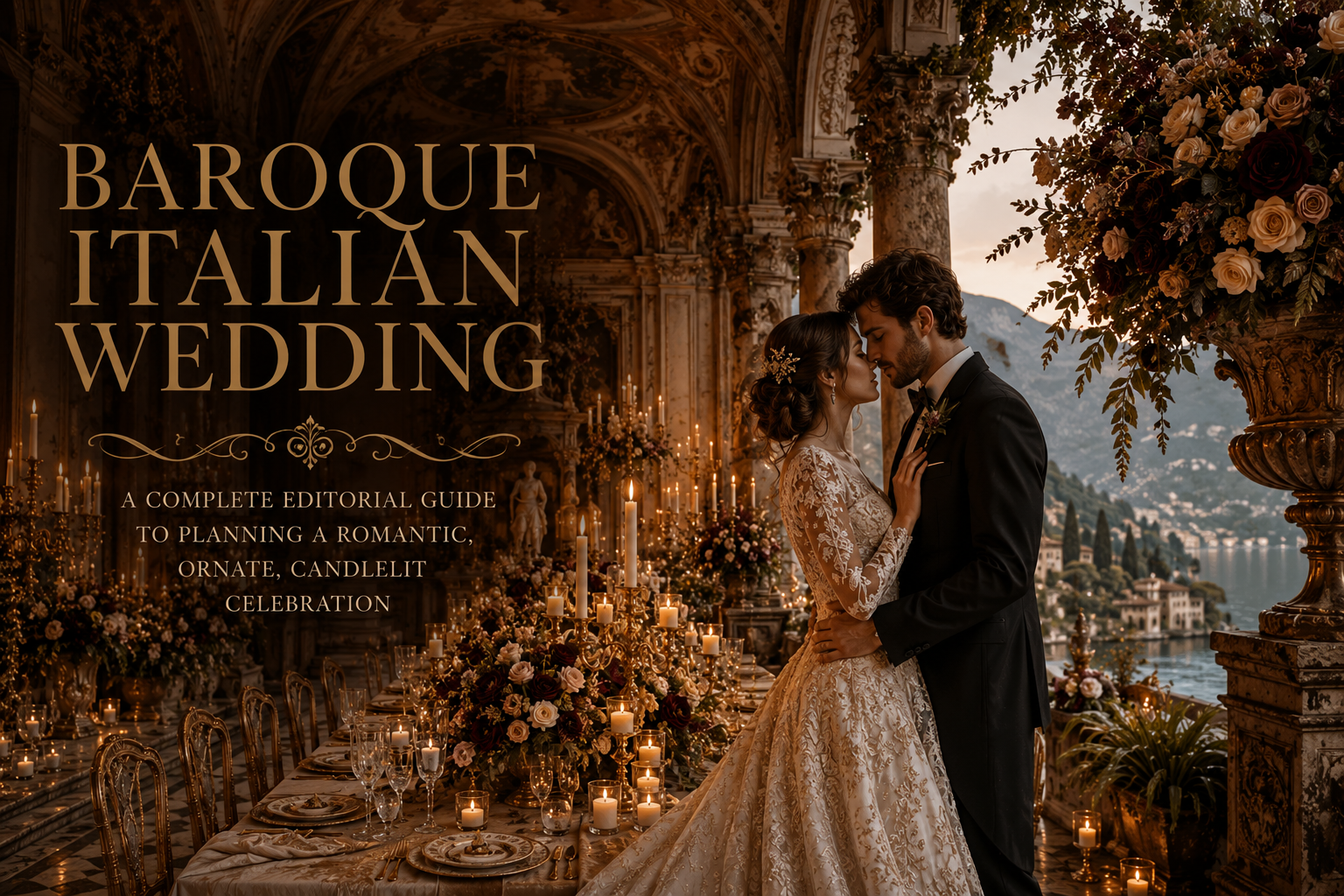
Baroque Italian Wedding – A complete editorial guide to planning a romantic, ornate, candlelit celebration
Italian Wedding Style
Baroque Italian Wedding
A complete editorial guide to planning a romantic, ornate, candlelit celebration inspired by Italian palazzos, frescoed ceilings, antique gold details, dramatic florals, and old-world elegance.
A baroque Italian wedding is not quiet luxury. It is cinematic luxury. It is the glow of hundreds of candles against aged stone, silk gowns moving through marble halls, garden tables overflowing with fruit and flowers, and stationery that looks as if it belongs inside a Renaissance archive.
The secret to a beautiful baroque Italian wedding is balance: grandeur without clutter, romance without costume, and drama that still feels deeply personal.
The Mood
What Makes a Baroque Italian Wedding Feel So Irresistible?
A baroque Italian wedding is built on atmosphere first. It is not only about gold frames, heavy florals, or ornate architecture, although those elements matter. The real magic comes from creating a celebration that feels layered, historic, sensual, and intimate at the same time. Think of an old villa in Tuscany, a palazzo in Venice, a frescoed ballroom in Rome, or a candlelit courtyard in Florence. The setting does not need to be literal Italy, but the design should carry that feeling of European history, artistic richness, and slow, romantic celebration.
Unlike minimalist wedding styles, this aesthetic invites abundance. Tables can be dressed with linen, velvet ribbon, taper candles, antique vessels, figs, grapes, roses, ranunculus, and handwritten place cards. Bridal fashion can lean dramatic with lace, corsetry, long veils, structured bodices, pearl accents, or cathedral-length silhouettes. Stationery can feel like a museum piece: deckled paper, baroque borders, calligraphy, wax seals, heraldic crests, and warm ivory tones.
The danger, of course, is going too theatrical. A baroque Italian wedding should not look like a themed party thrown by a very enthusiastic museum ghost. The goal is refinement. Choose a few strong visual anchors, then let everything else support them. If your venue already has arches, stone, frescoes, chandeliers, or garden views, you may need less decor than you think. If your venue is simpler, you can bring the mood through lighting, florals, textiles, stationery, and table styling.
Signature Elements
Four Details That Define the Look
A strong baroque Italian wedding design usually begins with four pillars: architecture, candlelight, ornate texture, and rich floral movement. These details create the visual language of the day and help every decision feel intentional, from the invitation suite to the final dinner table.
Architecture as Decor
Arches, columns, stone walls, frescoes, courtyards, and grand staircases create instant old-world romance. Let the venue breathe instead of hiding it under unnecessary decoration.
Antique Gold Details
Use gold as an accent, not a flood. Picture framed table numbers, vintage mirrors, gilded chargers, wax seals, candleholders, and delicate trim on stationery.
Candlelit Drama
Tall tapers, low votives, chandeliers, and warm pools of light make the design feel romantic rather than heavy. Lighting is the difference between grand and gloomy.
Painterly Florals
Choose arrangements that feel gathered, abundant, and slightly wild. Roses, ranunculus, gardenias, jasmine, grapes, figs, olive branches, and trailing vines work beautifully.

These four details keep the wedding cohesive. Without them, baroque can become random: a gold chair here, a red rose there, a dramatic font on the menu, and suddenly the design looks busy rather than intentional. With them, even simple choices feel connected. A cream linen napkin tied with velvet ribbon makes sense. A handwritten menu on warm ivory paper makes sense. A cake with sculptural sugar flowers and antique gold edging makes sense. Everything belongs to the same visual world.
A baroque Italian wedding should feel like an heirloom painting brought to life, not like a room that panicked and bought every gold thing on the internet.
Planning Guide
How to Plan the Celebration Without Overdoing It
Start with the venue and let it decide how far the design should go. If you are marrying in a villa, historic hotel, estate, museum, monastery, castle, or old-world ballroom, you already have a strong foundation. In that case, the styling should enhance the architecture, not compete with it. Choose florals and tables that echo the setting, then keep signage, chairs, and rentals refined.
If your venue is more modern or neutral, you can still create a baroque Italian wedding atmosphere by building layers carefully. Use a warm color palette, textured linens, ornate stationery, sculptural florals, vintage-inspired tableware, and dramatic candlelight. You do not need fake columns, theatrical props, or overly literal Italian references. The best interpretation feels curated, not staged.
Prioritize First
- A venue with character
- Warm, layered lighting
- Florals with movement
- Editorial stationery
- Elegant table styling
Simplify Second
- Avoid too many metallic finishes
- Keep signage consistent
- Use one main accent color
- Let negative space exist
- Choose fewer, better details
Design Rule
Choose one dramatic moment per scene: a grand ceremony arch, a candlelit reception table, a sculptural cake display, or an ornate invitation suite. Do not make every corner shout. Even Italian drama needs manners.
Color Palette
The Best Colors for a Baroque Italian Wedding
The most beautiful baroque Italian wedding palettes usually feel warm, aged, and painterly. Avoid bright white, harsh black, and shiny gold unless they are used very carefully. Instead, think in tones that feel softened by candlelight: ivory, parchment, champagne, antique gold, olive, terracotta, wine, espresso, dusty rose, muted peach, and deep fig.
Parchment & Antique Gold
Perfect for a classic villa wedding with warm stationery, gold-framed signage, ivory florals, and soft candlelight.
Wine, Fig & Rose
Ideal for an evening reception with dramatic florals, velvet ribbon, red wine tones, and romantic Renaissance-inspired depth.
Olive, Cream & Terracotta
Beautiful for Tuscan gardens, outdoor dinners, olive branch styling, clay vessels, and Mediterranean warmth.
Espresso, Pearl & Candle Gold
A moodier palette for ballroom weddings, winter celebrations, black-tie dinners, and richly textured evening styling.
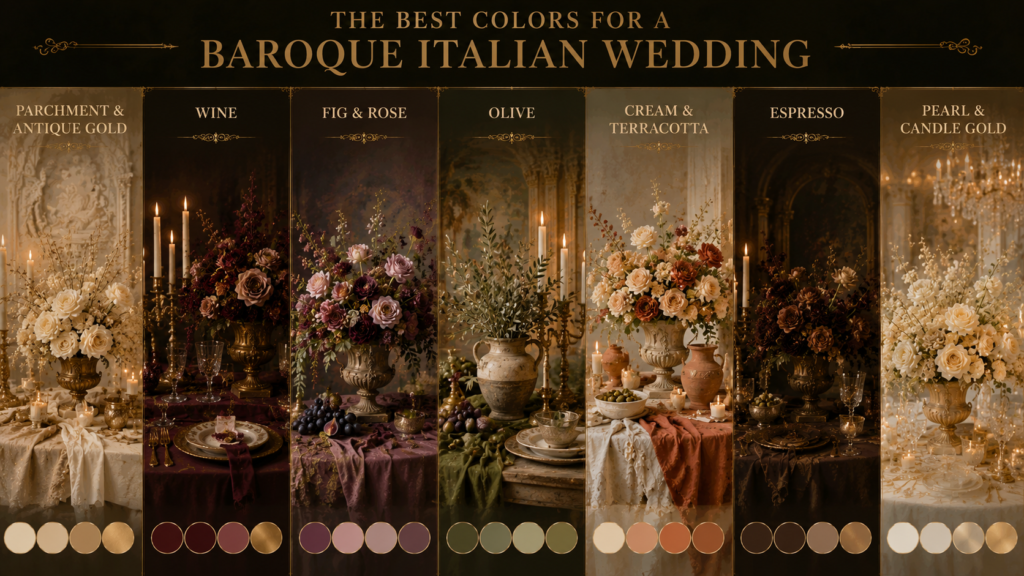
The palette should also guide your materials. Antique gold looks better when paired with parchment and linen than with glossy plastic finishes. Terracotta feels more elevated beside cream florals and olive greenery than beside bright orange accents. Wine tones become more elegant when softened with blush, fig, or ivory. Every color should feel as though it has been touched by age, sun, stone, or candlelight.
Venue & Ceremony
Choosing the Right Venue for Old-World Italian Romance
For a baroque Italian wedding, the venue does much of the storytelling. The most natural settings include historic villas, grand estates, castle venues, museums, old hotels, private gardens, cloisters, courtyards, vineyards, and restaurants with architectural character. A space with stone, arches, murals, antique mirrors, chandeliers, or fresco-style details will instantly make the design feel more authentic.
For the ceremony, consider a floral installation that frames the couple without overpowering the view. A broken arch with roses and olive branches, a pair of urn arrangements at the aisle entrance, or a candle-lined stone staircase can feel more luxurious than a huge structure covered in flowers. The baroque mood thrives on composition, not just quantity. Let the eye travel from architecture to florals to couple to guests in one elegant movement.
If the wedding is outdoors, embrace the Italian garden feeling. Use stone urns, gravel paths, olive trees, citrus details, long linen-draped tables, and soft ceremony seating. If the wedding is indoors, lean into chandeliers, candlelight, dramatic draping, and layered tablescapes. Both versions can feel deeply Italian; one simply whispers under the sun while the other glows after dark.
Fashion & Beauty
Bridal Style for a Baroque Italian Wedding
The bridal look can be romantic, sculptural, or softly dramatic. Lace sleeves, corset bodices, basque waists, pearl veils, cathedral trains, opera gloves, and ornate earrings all work beautifully with this aesthetic. A gown does not need to be covered in embellishment; sometimes a clean structured dress with one extraordinary veil feels more powerful than a heavily decorated gown.
Beauty should feel polished but not modern in a sharp, editorial way. Soft waves, low chignons, sculpted buns, luminous skin, rose-toned lips, and defined eyes create the right balance. The goal is not to look like a historical portrait exactly, but to borrow the romance of one. A bride in a baroque Italian wedding should look timeless enough for an oil painting and alive enough for a dance floor.
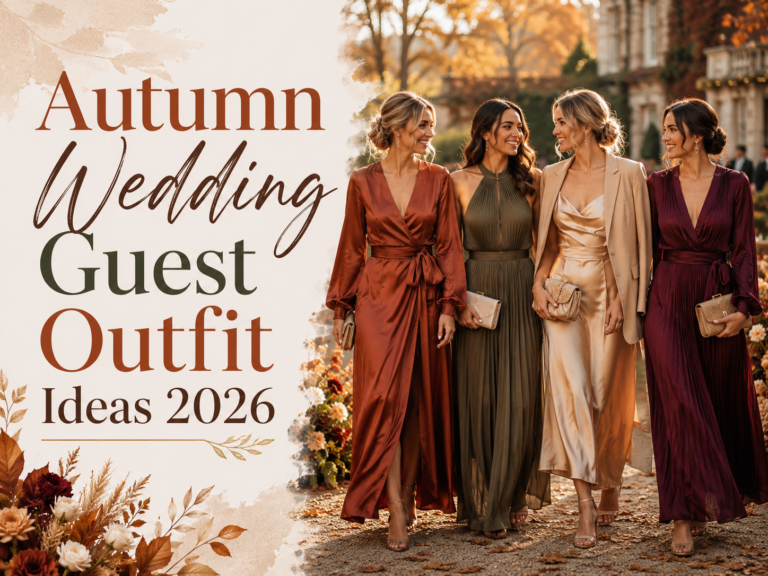
For the wedding party, choose rich but muted tones: champagne, espresso, olive, dusty rose, terracotta, wine, or soft black. Velvet works beautifully for cooler seasons, while silk, satin, and chiffon feel more effortless for spring and summer. Mismatched dresses can look especially elegant when the palette is controlled and the fabrics feel intentional.
Reception Styling
Tables, Florals, Stationery, and Candlelight
The reception table is where the baroque Italian wedding style becomes most tangible. Long banquet tables are especially effective because they create that slow, abundant dinner feeling associated with Italian celebrations. Layer linen tablecloths, textured napkins, ceramic plates, antique-style flatware, taper candles, low floral arrangements, and perhaps a few edible details like grapes, pears, figs, or citrus. The result should feel luxurious but lived-in, like a beautiful dinner that has been waiting for generations.
Florals should have movement. Avoid arrangements that look too round, tight, or corporate. Choose blooms that open naturally and vines that trail slightly. Garden roses, ranunculus, anemones, hellebores, lisianthus, jasmine, olive branches, and seasonal fruit can all support the look. If you want drama, add height through candleholders or urns rather than making every floral arrangement enormous. Guests still need to see each other across the table; romance is lovely, but shouting over a floral shrub is less charming.
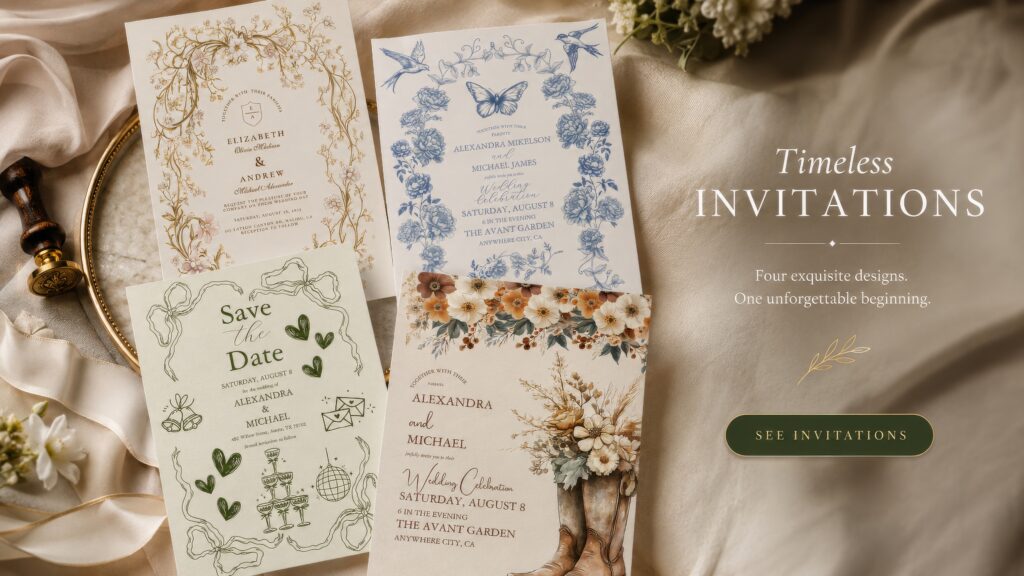
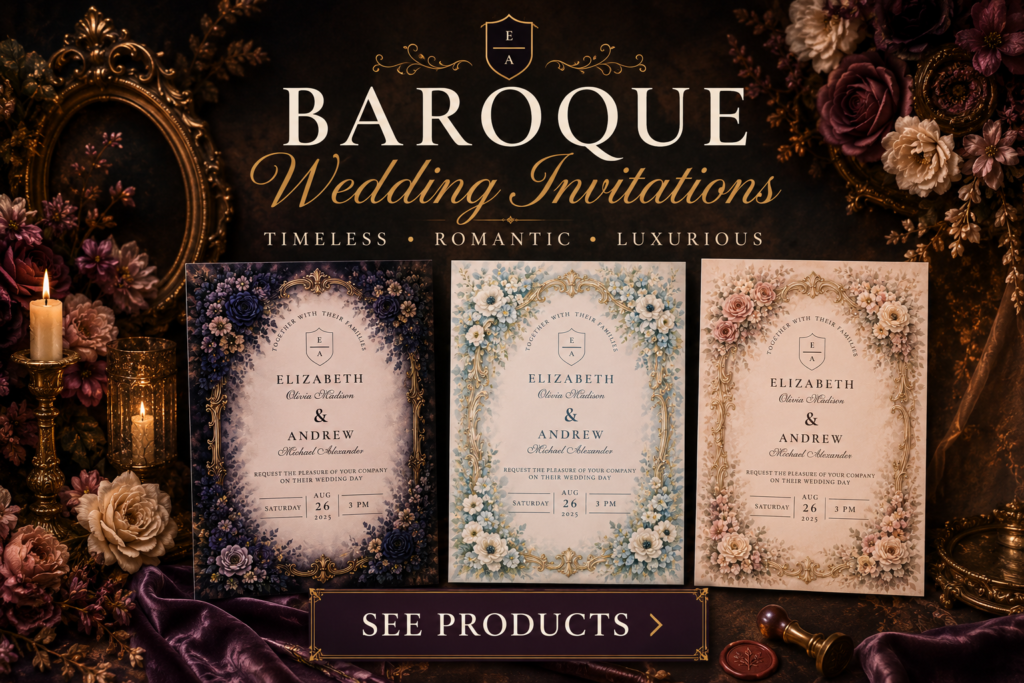
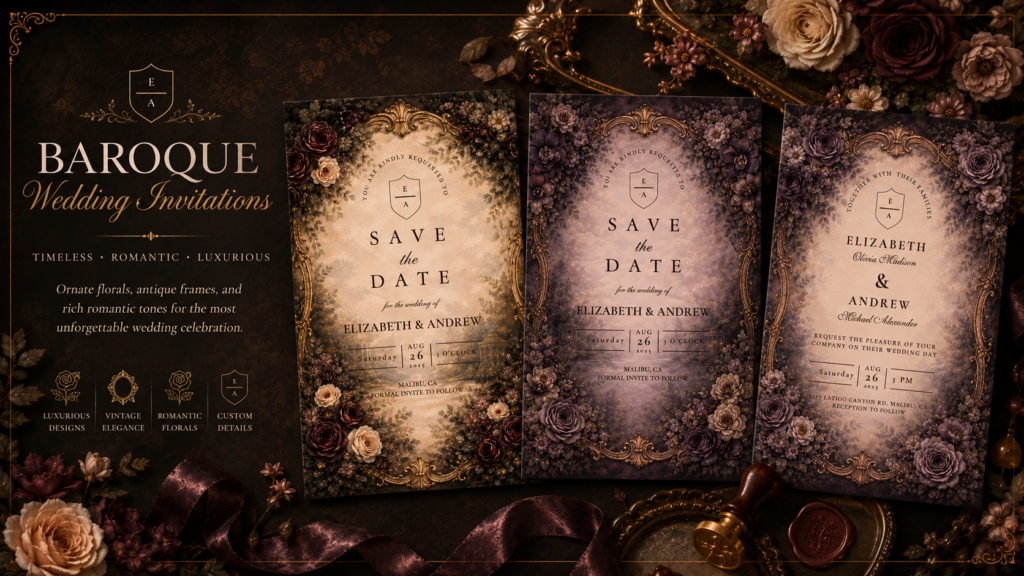
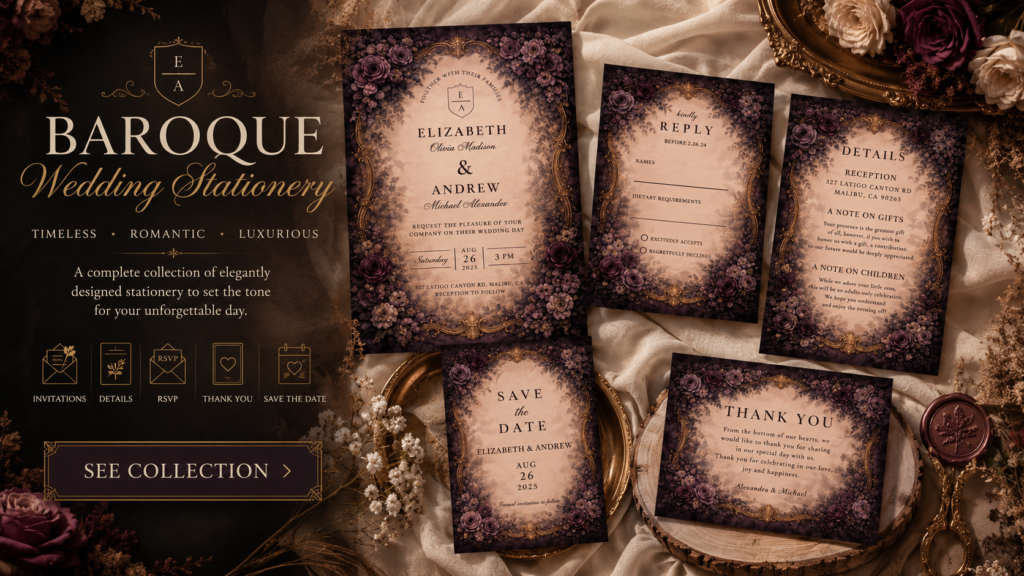
Stationery is one of the strongest ways to introduce the aesthetic before the wedding day. A baroque Italian wedding invitation suite can include ornate borders, old-world calligraphy, antique gold accents, warm paper tones, venue illustrations, crests, wax seals, and romantic envelope liners. On the day itself, carry the same mood into welcome signs, menus, place cards, seating charts, table numbers, and thank-you notes. Consistency is what makes the celebration feel designed rather than decorated.
Food & Guest Experience
Make the Celebration Feel Italian, Not Just Look Italian
The experience matters as much as the styling. Italian wedding inspiration should be felt through hospitality, food, pacing, and music. Consider a long aperitivo hour with prosecco, spritzes, olives, crostini, cheeses, and seasonal bites. Serve dinner in courses if the venue allows it. Add a dessert table with tiramisu, millefoglie, cannoli, fruit tarts, or a dramatic wedding cake styled with sugar flowers and antique details.
Music can also shape the mood. Classical strings during the ceremony, romantic Italian songs during cocktail hour, and a lively dinner playlist can move the celebration from elegant to joyful. A baroque Italian wedding should not feel stiff. It should feel like beauty and pleasure are sitting at the same table, probably sharing pasta and gossiping in excellent lighting.
The most memorable guest experience is not the one with the most decor. It is the one where every detail feels warm, generous, and beautifully timed.
Mistakes to Avoid
Common Styling Mistakes That Cheapen the Look
The easiest way to weaken a baroque Italian wedding is to confuse ornate with excessive. A celebration can be detailed without being cluttered. It can be dramatic without being heavy. It can reference Italian art and architecture without turning into a costume party. Keep the materials natural, the palette restrained, and the details consistent.
- Using shiny yellow gold everywhere instead of antique or softened metallic accents.
- Choosing too many fonts, borders, crests, and patterns in the stationery suite.
- Making florals too tight, round, or modern when the aesthetic needs movement.
- Over-decorating a venue that already has strong architecture.
- Ignoring lighting and expecting decor alone to create the atmosphere.
- Using props that feel theatrical instead of heirloom, natural, or editorial.
A helpful test is to imagine the wedding photographed in soft film tones. If a detail would look elegant in that context, it probably belongs. If it would look like a party supply, it probably needs to go. Baroque Italian wedding styling is rich, but it should still feel tasteful, romantic, and emotionally grounded.
Final Thoughts
A Wedding Style Made for Romance, Art, and Candlelight
A baroque Italian wedding is for couples who want their celebration to feel unforgettable, layered, and deeply romantic. It is a style that welcomes beauty without apology: carved architecture, soft candlelight, dramatic florals, antique gold details, long dinners, warm paper, rich fabrics, and the kind of atmosphere guests remember long after the last glass is lifted.
The key is restraint inside abundance. Choose a venue with soul, build a palette that feels aged and luminous, invest in lighting, let flowers move naturally, and keep every paper detail connected. When the design is thoughtful, the wedding will not feel like a trend. It will feel like a love story staged inside an Italian painting.
Done well, this aesthetic is not about pretending to be royal or recreating a museum. It is about creating a celebration with depth, pleasure, history, warmth, and beauty. In other words, a wedding that feels grand enough for the architecture and intimate enough for the people sitting at the table.